Prime Minister Research Fellow (PMRF)
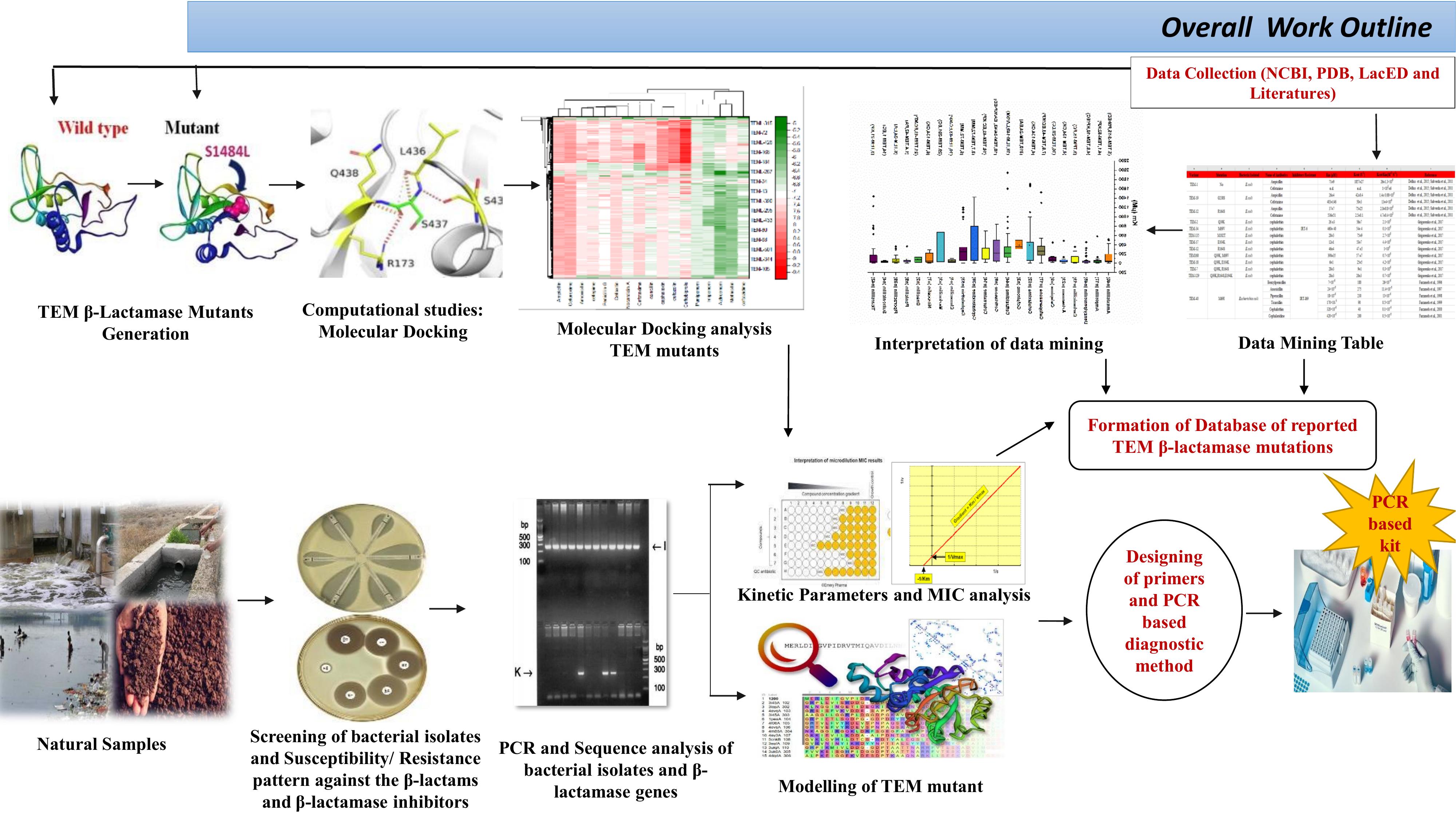
I am currently pursing PhD in Environmental Microbiology from Environmental Biotechnology Laboratory (EBL), Centre for Rural Development and Technology, IIT DELHI. I have been awarded Prime Minister Research Fellowship for pursing my PhD research. I have also been awarded University Gold Medal and was provisionally selected for DST-INSPIRE Fellow. I have qualified CSIR-JRF, GATE, DBT-JRF and ICAR-ASRB NET. In my initial educational period, I had worked in Bio-hydrometallurgy, Biofuels, Bio-processing, Bio- catalysis, Fermentation Technology and molecular biology. Currently at EBL, my area of expertise is Microbiology, Molecular Biology, Antibiotic Resistance, Environmental Biotechnology, Enzymology, β-lactamase resistance and Bioinformatics. My PhD work mainly focus on β-lactamase mediated β-lactam antibiotic resistance phenomena from various environmental samples across the Delhi-NCR region.
- Awarded University Gold Medal for Integrated M. Sc. Microbiology at 5th Annual Convocation, Central University of Rajasthan, Ajmer, Rajasthan held on 2nd November, 2018.
- Awarded with DST INSPIRE FELLOWSHIP provisional offer letter on 20th December 2018.
- Qualified GATE 2019.
- Qualified ICAR-ASRB NET 2018.
- Qualified and Awarded CSIR-JRF Examination in December 2018.
- Qualified DBT-JRF 2019, Category B.
- Awarded Prime Minister Research Fellowship through the Lateral Entry in December 2020.
- Awarded Best AMI Poster for the poster entitle, “Polyphasic approach to track down the diversity of TEM β-Lactamase mutants from the environmental samples and their interaction with β-lactam and β-lactamase inhibitors” by the Association of Microbiologist’s India in the 63rd Annual International Conference of Association of Microbiologists of India (AMI) scheduled on 2 nd to 4th February 2023.
- Received the Commendable performance award in the Annual Review held in December 2022.
- Gehlot, Priyanka, and P. Hariprasad. "Computational and data mining studies to understand the distribution and dynamics of Temoneria (TEM) β-lactamase and their interaction with β-lactam and β-lactamase inhibitors." Environmental Pollution 314 (2022): 120289.
- Raguraman, V., Chauhan, L.,Gehlot, P. , Kongkham, B., & Hariprasad, P. (2023). Computational insights into the role of structurally diverse plant secondary metabolites as inhibitors against Imidazole Glycerol Phosphate Dehydratase of Mycobacterium tuberculosis. Journal of Biomolecular Structure and Dynamics, 1-13.
- Hittanahallikoppal Gajendramurthy Gowtham,Gehlot, Priyanka , and P. Hariprasad. "Untangling the Structure and Function of Rumen Microbes in Relation to Ruminant Health and Exploring Their Biotechnological Applications." In Animal Manure, pp. 61-106. Springer, Cham, 2022
- Puttaswamy, Hariprasad, Hittanahallikoppal Gajendramurthy Gowtham, et al., Priyanka Gehlot, Leena Chauhan. "In silico studies evidenced the role of structurally diverse plant secondary metabolites in reducing SARS-CoV-2 pathogenesis." Scientific reports 10, no. 1 (2020): 1-24.
- Agarwal, Avantika, Kunwar Paritosh, Pragati Dangayach, Priyanka Gehlot, Nidhi Pareek, and Vivekanand Vivekanand. "Hydrothermal, acidic, and alkaline pretreatment of waste flower-mix for enhanced biogas production: a comparative assessment." Biomass Conversion and Biorefinery (2021): 1-9.
- Gehlot, Priyanka, Nidhi Pareek, and V. Vivekanand. "Development of Biofertilizers and Microbial Consortium an Approach to Sustainable Agriculture Practices." In Plant, Soil and Microbes in Tropical Ecosystems, pp. 315-348. Springer, Singapore, 2021.
- Gehlot, Priyanka, Manish Kumar, and Nidhi Pareek. "Production and purification of glutaminase free L-asparaginase from Lysinibacillus fusiformis and its appraisal in acrylamide mitigation of starchy foods." Materials Today: Proceedings (2022).
- Gehlot, Priyanka, Vivekanand Vivekanand, and Nidhi Pareek. "Cyanobacterial and microalgal bioremediation: an efficient and eco-friendly approach toward industrial wastewater treatment and value-addition." In Microbial Biodegradation and Bioremediation, pp. 343-362. Elsevier, 2022.